

COURT REPORTER: Because in a courtroom, memory doesn’t matter. The record does.
What is a court reporter? Learn how court reporters create official transcripts of trials, hearings, and depositions — and why accurate legal records are critical in the justice system.

HELOC SIGNINGS EXPLAINED: It’s not a refinance. It’s not a second mortgage the way you think. And if you don’t understand the structure, you’re signing blind.
HELOC signings explained clearly. Learn what happens at a home equity line of credit closing, how draw and repayment periods work, and what borrowers should expect before signing.

REVERSE MORTGAGES EXPLAINED: It’s not “free money.” It’s a loan. With rules. And leverage — if used correctly.
Reverse mortgages explained clearly. Learn how reverse mortgages work, who qualifies, repayment rules, costs, and whether a reverse mortgage makes sense for retirement planning.

CORPORATION: Because “I own a business” and “I run a corporation” are not the same sentence.
What is a corporation? Learn how corporations are structured, the roles of shareholders and officers, liability protection, tax differences, and how corporations operate legally.
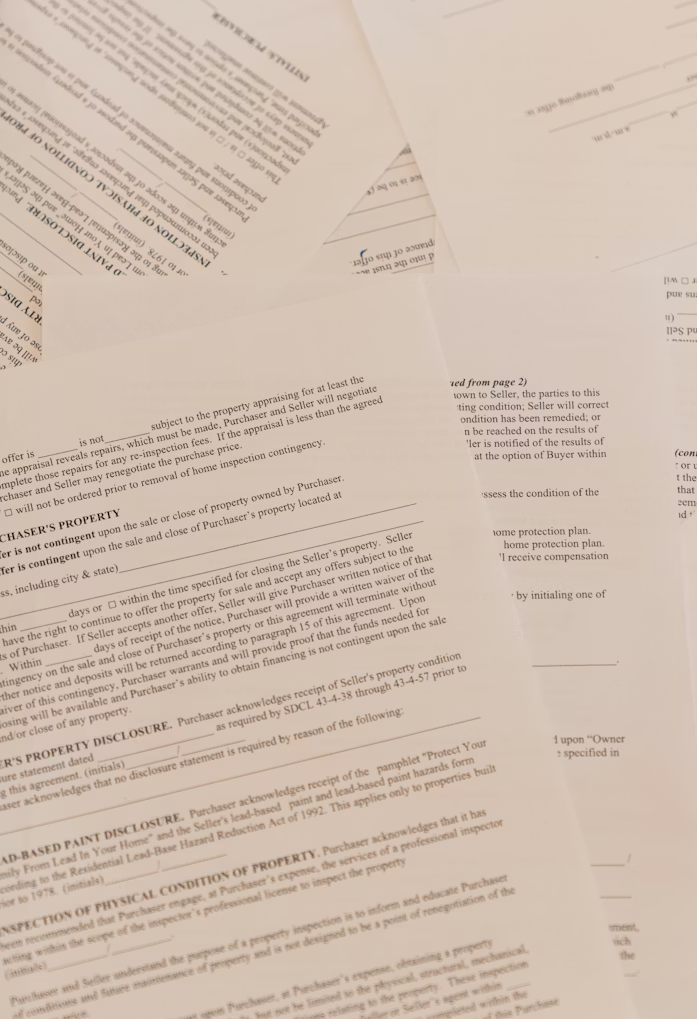
ESCROW WAIVER DISCLOSURE: Because when you waive escrow, you take control — and the responsibility.
What is an Escrow Waiver Disclosure? Learn what it means to waive escrow on a mortgage, who qualifies, the risks involved, and how it affects your monthly payment.

FHA VS VA VS CONVENTIONAL CLOSINGS: Same table. Different rulebook. If you don’t know which loan you’re closing, you’re guessing with compliance.
FHA vs VA vs Conventional closings — what’s the difference? Learn how each loan type impacts mortgage insurance, appraisal requirements, funding fees, and the closing process.
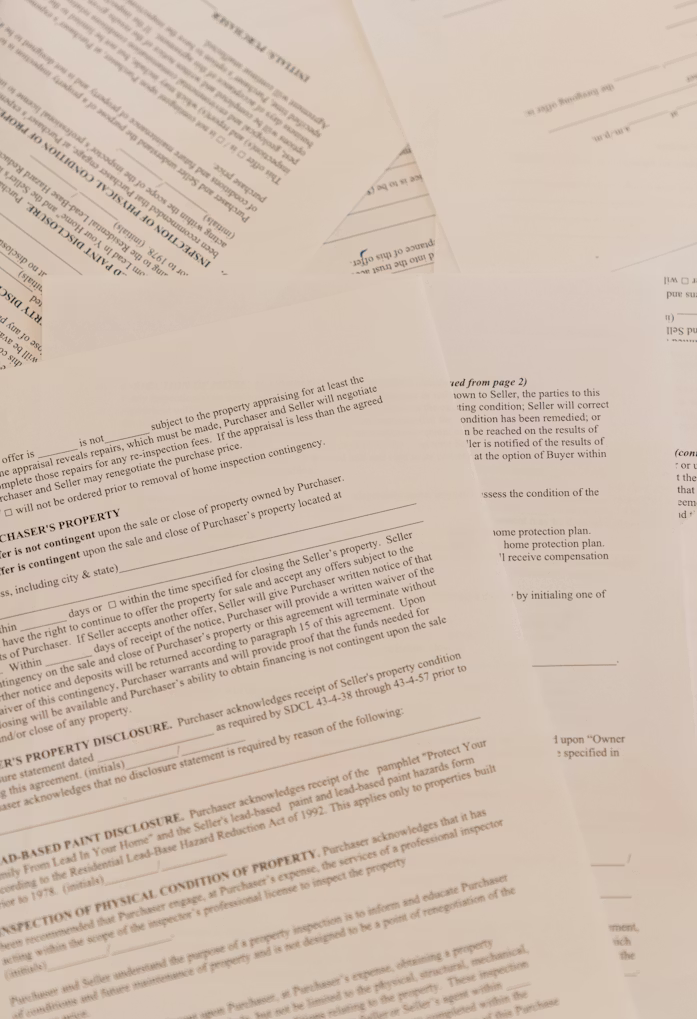
PAYMENT CHANGE NOTICE: Because your mortgage payment didn’t “randomly” go up. There’s a reason.
What is a Payment Change Notice? Learn why your mortgage payment increased, how escrow adjustments work, and what to check before assuming your interest rate changed.

COUNTY CLERK: Because nothing is official until it’s recorded.
What does a County Clerk do? Learn how County Clerks record real estate documents, maintain public records, issue certified copies, and protect property rights through official filing.

WHAT SCANBACKS ARE AND WHY LENDERS WANT THEM: Because funding doesn’t wait for FedEx.
What are scanbacks in a loan signing? Learn why lenders require scanned copies of signed mortgage documents before funding and how scanbacks prevent costly delays.

WET SIGN VS E-NOTE CLOSINGS: Ink on paper vs fully digital execution. Same loan. Different battlefield.
Wet sign vs e-note closings — what’s the difference? Learn how traditional ink-signed mortgage closings compare to fully digital e-note transactions, including speed, risk, and funding timelines.