
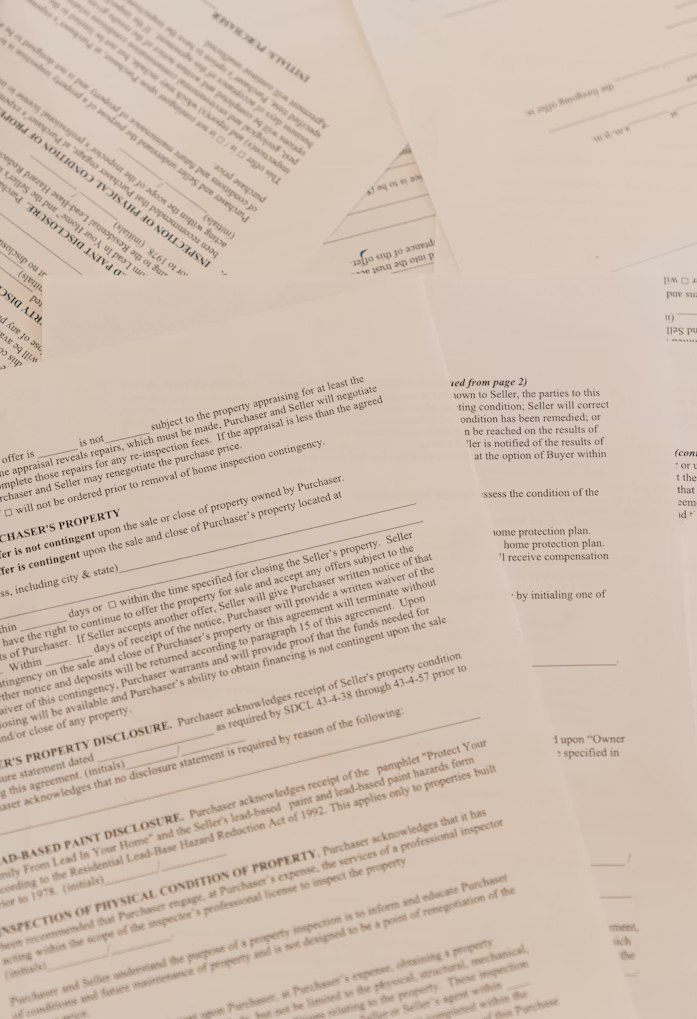
Appraisal Receipt Acknowledgment: The Signature That Confirms You Got the Valuation — Not That You Agree With It
An Appraisal Receipt Acknowledgment confirms that you received your property valuation — not that you agree with it. Learn what this mortgage document really means and why it’s required.

WHY CLOSINGS FEEL OVERWHELMING: And Why It’s Not Because You’re “Bad With Paperwork”
Closings feel overwhelming because they combine high financial stakes, complex documents, and tight timelines. Learn why the pressure is structural — not personal — and how to navigate it confidently.
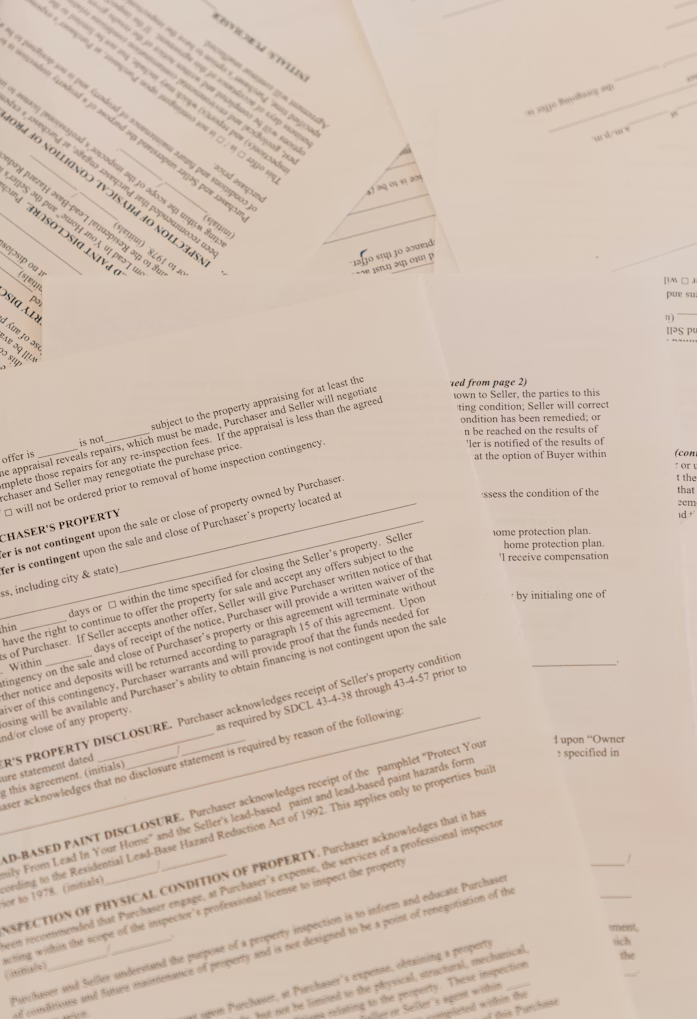
Appraisal Delivery Disclosure: The Rule That Guarantees You Get to See the Value Before You’re Bound
An Appraisal Delivery Disclosure guarantees borrowers receive a copy of their property appraisal before closing. Learn how this federal rule protects transparency in mortgage lending.

Discrimination: The Line Between Preference and Illegality
Discrimination becomes illegal when unequal treatment is based on protected characteristics in regulated areas like housing, lending, and employment. Learn where the legal line is drawn.

WHY NOTARIES DON’T COLLECT PAYMENTS: The Line That Protects the Entire Transaction
Notaries do not collect mortgage payments or closing funds. Learn why neutrality, liability rules, and regulatory boundaries prevent notaries from handling lender payments.
WHAT A LOAN RESCISSION REALLY MEANS: The 3-Day Window That Can Unwind a Signed Mortgage
Loan rescission gives certain refinance borrowers three business days to cancel after signing. Learn how the right of rescission works, when it applies, and how it affects funding.

Tech Check Help: Get Ready to Sign Online
Your camera won’t turn on and your notary is waiting. Let’s fix that. Five checks, two minutes, every device: permissions, browser, connection, room and ID. Still stuck? We’ll send a notary to you.

Deponent: The Person Whose Words Become Evidence
A deponent is a person who gives sworn testimony during a deposition. Learn what it means to be a deponent, how depositions work, and why your recorded words can shape a lawsuit.
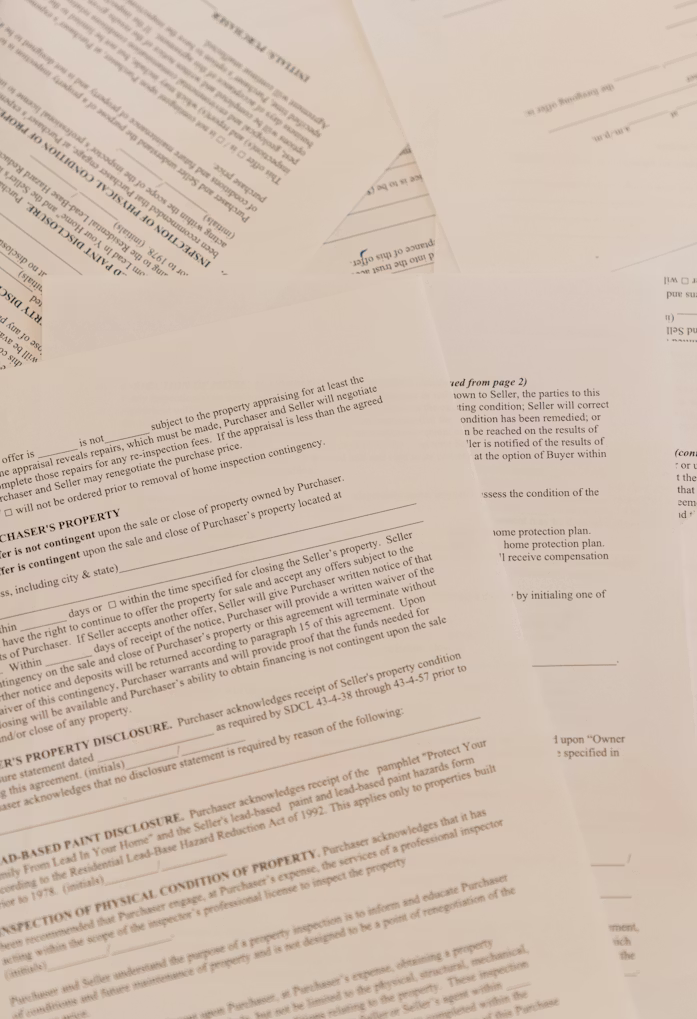
Entire Agreement Disclosure: The Clause That Says: “This Contract Is the Final Word”
An Entire Agreement Disclosure confirms that the written contract represents the full and final agreement between parties. Learn what this clause means and why verbal promises are not legally binding.

WHAT HAPPENS IF A BORROWER REFUSES TO SIGN: The Moment the Closing Stops — And What Actually Happens Next
What happens if a borrower refuses to sign at closing? Learn how loan signings pause, what title and lenders do next, and how refusals impact funding, recording, and contract timelines.