

Chronological: The Small Word That Controls Legal Order, Audit Trails, and Your Reputation
Chronological order isn’t just organization — it protects legal validity, audit trails, and your notary reputation. Learn why sequence, timestamps, and proper execution order matter in every closing and RON session.
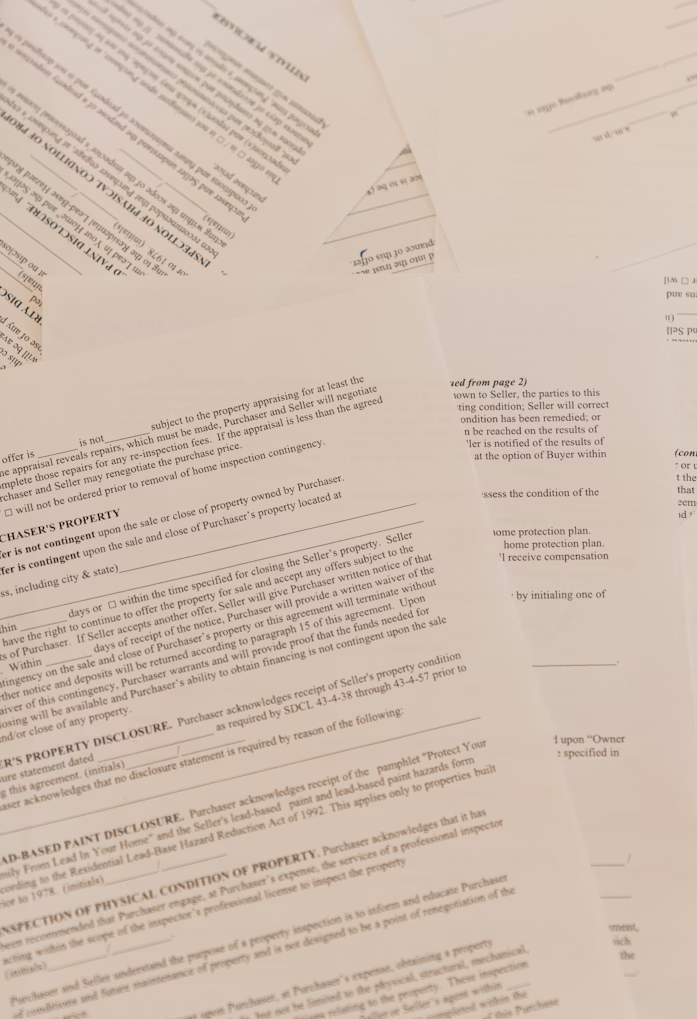
Shared Appreciation Note: The Clause Most Borrowers Don’t Understand — But Should
A Shared Appreciation Note allows a lender to claim a percentage of your property’s future value in exchange for assistance today. Learn how it works, when it appears in closings, and why precision in execution matters.

What’s Your Error Rate / Quality Control Process?: The Question That Separates Hobby Notaries From Professional Operators
What’s your notary error rate — and do you even have a quality control process? Learn how professional signing agents reduce mistakes, prevent funding delays, and protect their commission with structured QC systems.

RON Oath: The Digital Moment That Makes It Legally Binding
A RON oath isn’t a formality — it’s the legally required moment that makes a remote notarization binding. Learn when it’s required, how to administer it correctly, and the mistakes that can invalidate your session.

Closing: The Moment You Get Paid for Being Precise
Closing isn’t paperwork — it’s the moment liability transfers and agreements become enforceable. Learn how professional notaries and signing agents control closings with precision, compliance, and authority.

How Fast Can You Return Scanbacks?: Why Speed Matters—But Precision Decides Funding
Scanbacks affect funding speed—but only if they’re accurate. Learn how fast scanbacks are typically returned, what impacts turnaround time, and why clean files matter more than instant uploads.

Why Notaries Must Stay Neutral: The Rule That Keeps Documents Enforceable—and Notaries Untouchable
Notary neutrality isn’t about politeness—it’s about legality. Learn why notaries must stay neutral, how neutrality protects consent, and what happens when boundaries are crossed.

Chain Certificate: The Proof That Authority Traveled Cleanly From One Party to the Next
A Chain Certificate documents the uninterrupted transfer of authority between parties. Learn why it matters, where it’s used, and how missing links can break enforcement.
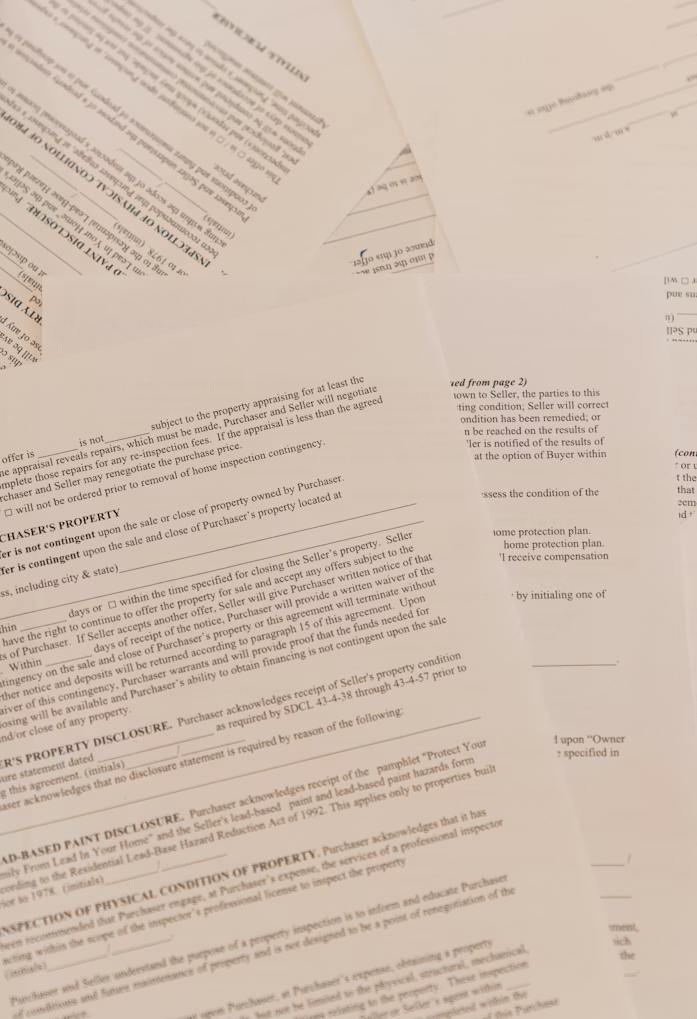
Adjustable Rate Note: The Loan That Changes With the Market—Whether You’re Ready or Not
An Adjustable Rate Note allows interest rates—and payments—to change over time. Learn how it works, why lenders use it, and what happens when the market shifts.

Do You Explain Loan Terms?: Why the Answer Has to Be “No” — and Why That Protects Everyone
Notaries and Loan Signing Agents don’t explain loan terms—and that boundary protects borrowers, lenders, and the signing itself. Learn why neutrality matters at the table.